A license is not coverage
The FCC just took the first procedural step on SpaceX's reported $8 billion deal for nationwide 800 MHz spectrum. In radio, however, buying the paperwork is only permission to start the hardest part of the job: actually building the network.
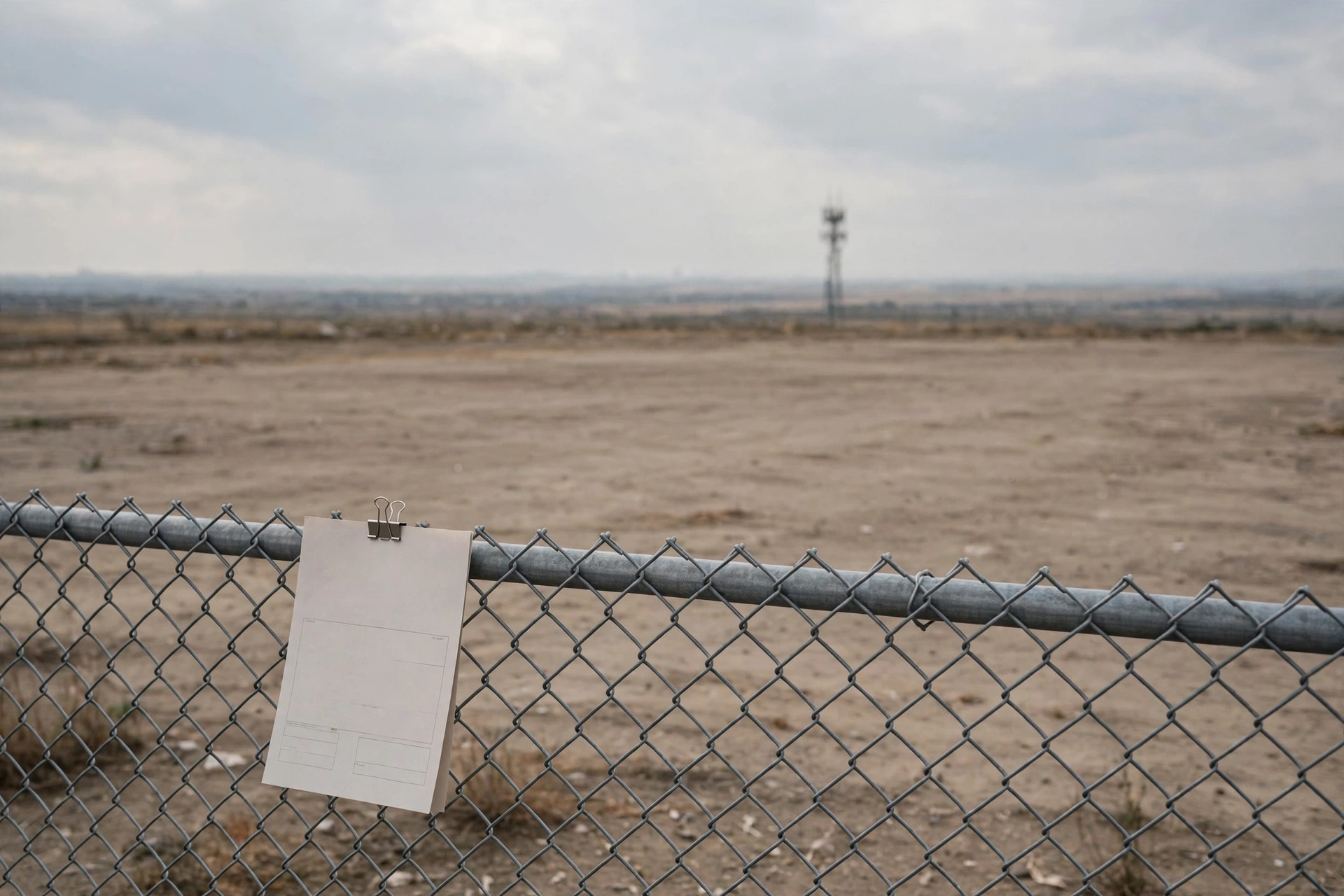
There is a unique quiet to an empty plot of land after the permit is finally stamped.
You have a piece of paper that says a building can exist. You do not have a building.
In radio engineering, we live in that gap between the paper and the steel. A database says a site is there. The site is only there when the tower is up, the coax is run, and the radio is actually pushing power into the air.
On November 10, 2026, the FCC issued Public Notice DA 26-1218. It accepted for filing SpaceX's applications to take control of Grain Management's 800 MHz spectrum licenses, moving them into a subsidiary called Starlink Spectrum Holdings.
"Accepted for filing" is the smallest, most boring phrase in Washington.
It does not mean approved. It just means the paperwork filed on October 9 was complete enough to start a public argument — comments due December 1, oppositions December 8, replies December 15.
Yet behind that boring clerical stamp is a massive bet.
The deal covers 546 paired licenses — up to 14 MHz in the 817-824 MHz and 862-869 MHz bands — across 3,224 counties and 173 economic areas, reaching about 100% of the U.S. population across all 50 states, D.C., Puerto Rico, and the U.S. Virgin Islands. Grain bought these licenses from T-Mobile earlier in 2026 for about $2.9 billion in cash plus some 600 MHz licenses. Now, the Wall Street Journal reports SpaceX is paying about $8 billion for them.
Just days earlier, on November 4, SpaceX and Qualcomm announced Starlink Mobile will build a nationwide terrestrial 5G network across tens of thousands of sites starting in 2027. A separate October 27 request to use these same frequencies from satellites for supplemental coverage from space is still waiting in line.
Here is the catch. When the FCC approved Grain's purchase in July, it attached strict buildout conditions. If this transfer goes through, those same conditions carry right over to SpaceX.
Eight billion dollars buys you the right to start the clock. It does not buy you a single decibel of signal.
Permission is expensive, and it gets all the headlines.
But the most valuable spectrum in the world is worth nothing until someone climbs a tower.

Comments
No comments yet. Start the conversation.