The chamber and the pole
Every antenna datasheet is measured in a quiet room, alone. Every antenna lives on a pole, in the wind, next to other metal. The gap between those two places is where the real engineering happens. Not only in radio.
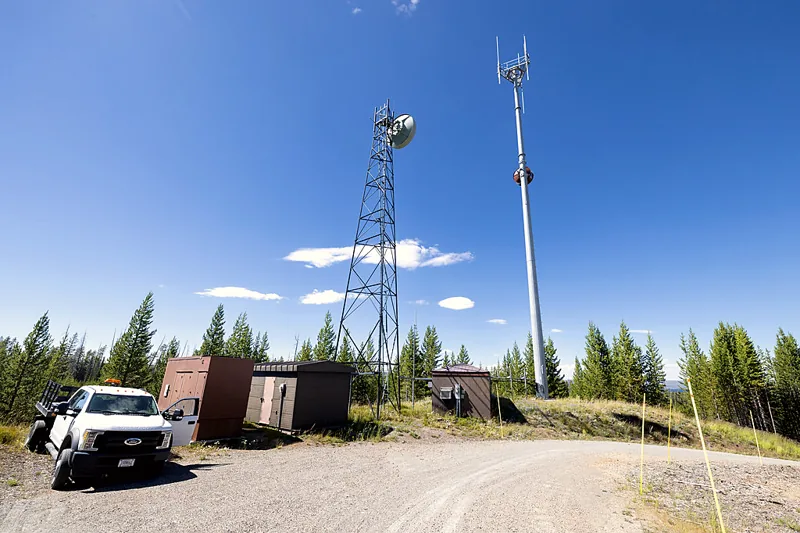
Every antenna has two lives.
The first is in a chamber. A quiet room with foam spikes on every wall to swallow reflections. No wind. No rain. No neighbors. The antenna turns slowly on a positioner while the test equipment maps where its energy goes.
That's where the datasheet comes from.
Take the CommScope NNHH-65C-R4, one of the antennas people search for most in my datasheet library. Eight ports. A peak gain of 19.2 dBi. Clean patterns, neat tables, a PDF last revised in March 2025.
It's a promise. A good one.
The second life is on a pole.
There, the same antenna is a panel 2.4 meters tall that weighs 39.3 kilograms before anyone bolts on the mounting kit. It's rated for winds up to 150 mph. It shares the pipe with other antennas, radios and a bundle of cables. It might sit behind a shroud, so the neighborhood doesn't have to look at it. Someone chose its tilt on a laptop months ago. Every jumper and connector between the radio and the antenna takes a little of the signal for itself. And one loose connector or rusty bolt can create intermodulation, interference the site makes for itself, loud enough to bury the faintest phones trying to reach it.
None of that is on the datasheet.
It can't be. The datasheet describes the antenna. The pole tests the system.
Most of field engineering lives in the gap between those two lives.
You've seen this gap even if you've never climbed a tower.
A phone's battery rating is a chamber. A day on one bar of signal is the pole.
A practice drill is a chamber. Match point is the pole.
A business plan is a chamber. The market is the pole.
The chamber isn't the enemy. You need it. It tells you what something can do when nothing gets in the way.
But something always gets in the way.
Measure in the chamber. Build for the pole.

Comments
No comments yet. Start the conversation.